Nature & Environment
The relationship between human activity and the natural world has never been more scrutinized. From the carbon emissions of a backyard compost heap to the sediment-starved deltas below massive dams, our environmental footprint manifests in unexpected ways. Understanding these connections—and acting on that knowledge—is no longer optional for those who care about the planet’s future.
This resource explores the multifaceted dimensions of nature and environmental stewardship, connecting practical actions like vermicomposting with broader ecological principles such as rewilding and river corridor preservation. Whether you’re transforming kitchen scraps into soil amendments, designing wildlife-friendly urban spaces, or questioning the true cost of renewable energy infrastructure, the following sections provide foundational knowledge to guide informed decisions and meaningful engagement with the living systems around us.
Composting and Organic Waste: Transforming Refuse Into Resources
Every household generates organic waste, yet the fate of banana peels and coffee grounds varies dramatically depending on their destination. When food scraps end up in landfills, they decompose without oxygen—a process called anaerobic decomposition. Unlike the controlled breakdown in a compost bin, this oxygen-deprived environment produces methane, a greenhouse gas with roughly 25 times the warming potential of carbon dioxide over a century. Landfills consequently rank among the largest human-caused methane sources globally.
Vermicomposting: Harnessing Worm Power
Setting up a worm bin offers an elegant alternative that operates indoors or out. The key lies in selecting the right species—Eisenia fetida (red wigglers) thrive in confined spaces and process organic matter rapidly. A properly balanced bin requires three elements: carbon-rich “browns” like shredded cardboard, nitrogen-rich “greens” such as vegetable peelings, and adequate moisture resembling a wrung-out sponge. Worms consume their body weight daily when conditions are optimal, transforming waste into nutrient-dense castings.
Common Material Mistakes
The error of adding inappropriate materials derails many composting efforts. Meat, dairy, and oily foods attract pests and create odors, while citrus peels and onions can repel worms or slow decomposition. Even seemingly harmless items like glossy paper contain coatings that don’t break down. Understanding these boundaries prevents frustration and maintains system balance.
Harvesting Compost Tea
Compost tea—liquid extracted from finished compost—delivers soluble nutrients and beneficial microorganisms to plants. Optimizing the harvest involves aerating the mixture during steeping to encourage beneficial bacteria over anaerobic pathogens, then applying it within hours before microbial populations decline. This live fertilizer exemplifies how waste streams can close nutrient loops in home gardens.
Urban Biodiversity: Why Cities Need Nature Corridors
Cities occupy just 3% of Earth’s land surface yet house over half the human population. This concentration creates ecological deserts—or opportunities for strategic intervention. Urban gardens function as crucial corridors that connect fragmented habitats, allowing pollinators, birds, and beneficial insects to move between green spaces. A balcony planter in one neighborhood can serve as a stepping stone to a community garden blocks away, creating networks that sustain species unable to traverse concrete expanses.
Native Versus Exotic Plants
The choice between native and exotic ornamentals carries consequences beyond aesthetics. Native plants have co-evolved with local pollinators over millennia, offering synchronized bloom times and appropriate nectar chemistry. A study comparing gardens found that native plant species supported five times more caterpillar biomass—critical protein for nesting birds—than exotic alternatives. While some non-native plants do provide nectar, they often fail to support the full life cycles of specialist insects.
Rethinking “Clean” Gardening
The risk of overly tidy landscapes extends beyond wasted effort. Fallen leaves harbor overwintering insects, hollow stems shelter native bees, and seed heads feed winter birds. The impulse to clear every stem by autumn eliminates these microhabitats. Leaving plant material through winter—an approach sometimes called “messy gardening”—increases biodiversity without additional work.
Citizen Science and Timing Conservation Actions
Engaging in citizen science programs like bird counts or pollinator surveys generates data that shapes conservation priorities. These initiatives also reveal optimal timing for management interventions. Pruning shrubs or mowing meadows during breeding seasons can destroy nests or eliminate food sources at critical moments. Aligning maintenance with species’ life cycles—such as delaying meadow cuts until after ground-nesting birds fledge—demonstrates how small scheduling adjustments yield disproportionate benefits.
Wetland Ecosystems: Natural Infrastructure for Climate Resilience
Wetlands occupy the transition between terrestrial and aquatic realms, and this in-between status historically led to their dismissal as “wastelands” suitable only for draining and development. Yet these ecosystems provide services that engineered infrastructure struggles to replicate. They act as natural sponges, absorbing floodwaters during storms and releasing water gradually during droughts, moderating hydrological extremes that climate change is intensifying.
Identifying Degraded Wetlands
Recognizing degradation requires looking beyond the presence of water. Indicators include altered hydrology patterns—such as property that remains dry during seasons it historically flooded—along with soil compaction, invasive species dominance (particularly cattails or phragmites in monocultures), and absent amphibian choruses. Drainage ditches, fill material, and channelized streams all signal historical manipulation that compromised wetland function.
Restoration Versus Creation
The ecological value differs substantially between restoring a degraded wetland and creating one from scratch. Restoration sites retain remnant seed banks, soil microbial communities, and hydrological connections that accelerate recovery. Created wetlands lack this biological legacy and often require decades to develop comparable complexity—if they ever do. Regulatory frameworks increasingly recognize this distinction, requiring higher ratios when permitting wetland creation to offset losses compared to restoration projects.
The Invasive Species Risk
Restoration efforts paradoxically risk introducing invasive species through contaminated equipment, nursery stock, or fill soil containing dormant propagules. A single reed canarygrass seed lodged in an excavator’s tread can establish populations that outcompete native sedges and rushes. Rigorous cleaning protocols and local seed sourcing minimize these threats, though vigilance must continue through establishment and beyond.
Rewilding Landscapes: Balancing Intervention and Restoration
Rewilding represents a philosophical shift from intensive management toward allowing natural processes to shape ecosystems. Yet the spectrum between active management and passive rewilding contains nuanced positions, each appropriate to different contexts and objectives.
Economic Dimensions of Land Use
Traditional upland sheep farming operates on marginal economics in many regions, with income barely covering costs even when subsidized. Revitalizing rural economies through nature-based approaches—such as ecotourism, carbon sequestration payments, or sustainable harvesting of rewilded areas—offers alternative revenue streams. These models require patience, as ecological recovery timelines exceed typical business planning horizons, but early adopters demonstrate financial viability alongside biodiversity gains.
Intervention Approaches
Active management involves targeted interventions: reintroducing missing species, controlling overabundant populations, or manipulating vegetation structure. Passive rewilding steps back, allowing succession and natural colonization to proceed without human direction. The choice hinges on landscape context—degraded sites often need active jumpstarting to overcome arrested succession, while relatively intact areas may require only the removal of previous management pressures. Hybrid approaches combine initial intervention to establish conditions that enable subsequent passive processes.
Hydropower’s Hidden Costs: Energy, Rivers, and Ecosystems
Hydroelectric power provides renewable energy without direct fossil fuel combustion, yet its ecological footprint extends far beyond the reservoir’s edge. Understanding these impacts prevents the error of carbon tunnel vision—focusing exclusively on greenhouse gas reduction while ignoring other environmental dimensions.
Sediment Blockage and Delta Starvation
Rivers naturally transport sediment from uplands to coasts, where deltas build land and buffer communities from storms. Dams interrupt this conveyance, trapping particles behind concrete walls. The Colorado River, for instance, once delivered roughly 125 million tons of sediment annually to its delta before upstream dams reduced this flow to nearly zero. Starved deltas subside and erode, losing ecological productivity and protective capacity precisely when sea level rise demands the opposite.
Fish Passage and Connectivity
Migratory fish species evolved strategies that span hundreds of miles between spawning and feeding grounds. Dams sever these routes unless purpose-built passage structures facilitate movement. Designing effective fish passages requires species-specific knowledge: salmon leap falls and can use fish ladders, while American eels need textured ramps to climb, and sturgeon—poor jumpers—demand deeper flow channels. Even well-designed passages achieve only partial effectiveness, and downstream turbine mortality during outmigration compounds upstream passage challenges.
Comparing Hydropower Scales
Large hydro projects create massive reservoirs with profound ecosystem transformation, while run-of-river installations divert a portion of flow through turbines without significant storage. Impact comparisons reveal tradeoffs: large dams provide grid stability and flood control but fragment habitats and alter thermal regimes; run-of-river facilities minimize some impacts but offer less power reliability and still obstruct fish passage. Neither approach eliminates consequences—a reality energy planning must acknowledge.
Reservoir Emissions
The error of ignoring methane emissions from reservoirs stems from assumptions that hydropower produces no greenhouse gases. Flooded vegetation and organic matter decompose anaerobically in reservoir sediments, generating methane that bubbles to the surface or releases through turbines. Tropical reservoirs with high temperatures and organic productivity can emit methane rivaling fossil fuel plants, especially in initial decades post-flooding. Temperate and high-altitude reservoirs generally emit less, but the assumption of zero-carbon hydropower oversimplifies reality.
Responsible Nature Observation: Photography and Citizen Science Ethics
Documenting nature through photography or scientific observation contributes valuable records—but careless practices harm the subjects we aim to celebrate. Establishing ethical frameworks ensures that our attention benefits rather than burdens wild populations.
Geotagging Considerations
Sharing precise location data for rare or sensitive species invites problems. Geotagged photos of nesting sites can attract crowds that flush birds repeatedly, causing abandonment. Wildflower patches face trampling from well-intentioned visitors, while reptile hibernacula suffer disturbance when coordinates spread across social networks. Protocols include obscuring exact locations to regional scales, delaying posts until after breeding seasons conclude, or withholding coordinates entirely for vulnerable species. The process requires balancing scientific data utility against protection needs.
Trampling and Disturbance Risks
The perfect photograph sometimes requires stepping off-trail—but each footstep compacts soil, crushes vegetation, and creates paths that subsequent visitors follow and widen. Cryptobiotic crusts in arid environments require decades to regenerate after a single boot print. The risk compounds during events like wildflower “super blooms” when thousands pursue similar shots, transforming meadows into mud. Respecting barriers, using long lenses, and accepting imperfect angles preserves the landscapes we photograph.
Animal Welfare Assessment
Determining whether wildlife observation causes harmful stress requires reading behavioral cues. Signs of disturbance include alert postures, interrupted feeding, alarm calls, and retreat movements. A methodology for assessing animal welfare considers duration, frequency, and intensity of exposure: brief encounters allowing the animal to resume normal behavior cause minimal impact, while repeated approaches preventing rest or foraging inflict genuine harm. When subjects show stress indicators, the ethical response involves immediate withdrawal and recording the sighting from memory rather than prolonging contact for documentation.
The threads connecting compost chemistry, urban pollinator corridors, wetland hydrology, landscape-scale rewilding, river sediment transport, and observation ethics may seem disparate, yet they share common principles: recognition of interconnection, acknowledgment of unintended consequences, and commitment to decisions informed by ecological understanding. Deepening knowledge in any of these domains strengthens environmental stewardship across all of them, transforming awareness into meaningful action.

How to Photograph Nature: An Ethical Guide to Undisturbed Images
Many photographers believe ethical nature photography is a restrictive list of “don’ts.” The truth is the opposite. True ethical practice is a creative framework that transforms technical decisions—like lens choice, timing, and composition—into powerful statements of respect. This guide moves…
Read more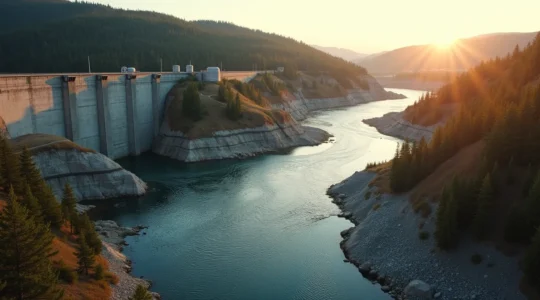
How to Modernize Old Dams to Allow Fish Migration?
Effective dam modernization requires treating the river as a connected system, not just installing isolated fixes. Many conventional fish ladders show extremely low success rates for certain species, failing to restore ecological connectivity. Dams fundamentally disrupt sediment flow, starving downstream…
Read more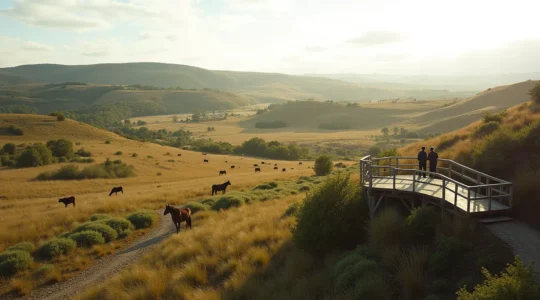
How Can Rewilding Create More Jobs Than Traditional Farming in Marginal Areas?
Rewilding creates more and better jobs than traditional farming not by replacing it, but by building a diversified ‘nature-based economy’ on marginal land. It pivots from low-yield agriculture to high-value roles in specialized eco-tourism, land management, and scientific monitoring. It…
Read more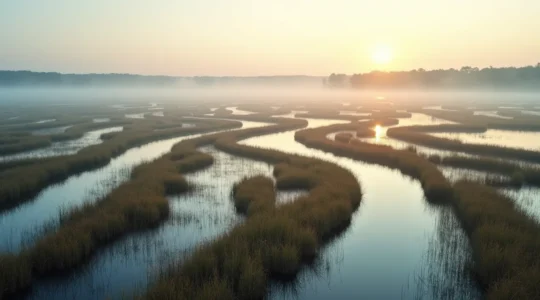
Why Are Wetlands More Effective Than Concrete Levees for Flood Control?
From an engineering perspective, wetlands are not passive sponges but active, high-performance hydrological systems that offer greater resilience and superior economic returns than concrete levees. Wetlands use hydraulic roughness to naturally slow and absorb peak floodwaters, a mechanism less prone…
Read more
How Your Backyard Can Become a Vital Outpost for Tracking Endangered Species
Your backyard isn’t just a garden; it’s a potential scientific research station that can provide crucial data for species conservation. Using apps like iNaturalist transforms simple photos into verifiable scientific records that researchers use. Strategic planting of native species and…
Read more