Travel & Discovery
Travel has evolved far beyond simply booking a flight and hotel. Modern journeys intertwine complex logistics, ethical considerations, evolving mobility options, and a growing desire for authentic, sustainable experiences. Whether navigating a sprawling metropolis with multiple transport modes, planning an overland adventure across continents, or choosing between peak-season convenience and off-season responsibility, today’s traveler faces decisions that previous generations never encountered.
This comprehensive resource explores the fundamental pillars of contemporary travel and discovery: how urban mobility is shifting toward flexible, multi-modal systems; why sustainable tourism demands scrutiny beyond surface-level claims; how slow travel and digital nomadism are redefining long-term exploration; and what logistics strategies actually work when crossing borders, managing weather disruptions, or sustaining work on the road. Understanding these interconnected themes empowers you to travel more seamlessly, ethically, and confidently.
Rethinking Urban Mobility and the Last Mile Challenge
Cities worldwide are witnessing a profound transformation in how people move. The traditional model of owning a single vehicle or relying exclusively on public transit is giving way to multi-modal mobility—combining buses, trains, bikes, scooters, and ride-sharing within a single journey. This shift isn’t merely about convenience; it reflects urban density, environmental pressures, and the limitations of any single transport mode.
Why Single-Mode Reliance Fails in Modern Cities
Imagine commuting exclusively by car in a dense urban core: you’ll face parking scarcity, congestion pricing, and variable traffic patterns that can double your journey time unpredictably. Conversely, relying solely on public transit often leaves gaps—the infamous “last mile” between the station and your final destination. A train may cover twenty kilometers efficiently, but those final eight hundred meters on foot, especially with luggage or in poor weather, become the friction point that undermines the entire trip.
Folding Bikes, Scooters, and Last Mile Solutions
This is where micro-mobility devices excel. Folding bikes offer portability and exercise, fitting easily on trains or in car trunks. Electric scooters provide speed and minimal effort, though they’re vulnerable to weather and require charging infrastructure. The decision between them hinges on your typical journey profile:
- Folding bikes: Ideal for longer last-mile segments (1-3 km), fitness-oriented travelers, and those navigating hilly terrain with electric-assist models
- Scooters: Better for flat, short hops (500 m – 2 km), minimizing physical exertion, and maximizing portability when collapsed
- Hybrid approach: Maintaining access to both through rentals or ownership, adapting to weather, luggage, and energy levels
Optimizing Transit Subscriptions and Mobility-as-a-Service
Pricing models further complicate choices. Traditional monthly transit passes assume consistent, high-frequency use—but what if your travel pattern is irregular? Pay-as-you-go systems offer flexibility but often cost significantly more per trip. Recent innovations in Mobility-as-a-Service (MaaS) platforms attempt to bundle multiple transport modes—subway, bike-share, ride-hailing—into a single subscription with tiered usage allowances.
The key is auditing your actual travel behavior over several weeks: count trips, measure distances, and identify patterns. A mixed-usage approach might mean a basic transit pass plus occasional scooter rentals, rather than a premium MaaS bundle that includes services you rarely use. Financial optimization requires honest self-assessment, not aspirational assumptions about how often you’ll bike in the rain.
Mastering Complex Travel Logistics in a Connected World
Long-distance and international travel introduces layers of complexity that demand methodical planning. Unlike urban commutes with predictable infrastructure, cross-border journeys involve visa regulations, climate variability, charging networks for electric vehicles, and the strategic choice between rigid itineraries and spontaneous flexibility.
Buffer Days and Weather Contingencies
One of the most common planning errors is creating tight schedules with zero slack. Overland travel—whether by train, bus, or personal vehicle—inevitably encounters delays: border crossing queues, road closures, mechanical issues, or sudden weather events. Building buffer days isn’t pessimistic; it’s pragmatic risk management.
For example, if traveling overland from Central Europe to Scandinavia in winter, a journey that theoretically takes three days should be budgeted for five. This cushion transforms a snowstorm or ferry cancellation from a crisis into a manageable inconvenience. Similarly, ignoring weather forecasts when planning mountain hikes or coastal routes can strand you in dangerous conditions or force expensive last-minute accommodation changes.
Visa Processes and Border Crossings
Border bureaucracy varies wildly by nationality, destination, and geopolitical relationships. The process requires methodical documentation: verify visa requirements months in advance, understand the difference between visa-on-arrival and e-visas, and gather supporting documents like travel insurance, accommodation confirmations, and financial proof.
- Check official consulate sources, not third-party blogs, for current requirements
- Submit applications well before stated processing times, especially during peak seasons
- Prepare digital and physical copies of all documents, stored separately
- Research border crossing hours and closure days to avoid arriving at unmanned posts
Booking Ahead Versus Winging It
The romantic notion of traveling without reservations appeals to spontaneity seekers, but it carries real costs. In popular destinations during high season, winging it often means limited accommodation choices, premium last-minute pricing, or settling for locations far from key sites. Conversely, booking everything months ahead sacrifices flexibility and locks you into itineraries that may not suit your actual energy levels or interests once you’re traveling.
A balanced strategy involves anchoring key elements—international flights, first and last nights’ accommodation, critical transport links—while leaving middle segments flexible. This provides structure without rigidity, allowing you to extend stays in unexpected favorites or skip underwhelming destinations.
The Packing Burden
Overpacking isn’t just about luggage fees; it’s a mobility tax you pay at every transition. Heavy bags complicate multi-modal transport, discourage spontaneous detours, and increase physical fatigue. A practical rule: if you can’t comfortably carry your luggage for fifteen minutes, you’ve packed too much. Prioritize versatile clothing items, plan for laundry access, and resist the “just in case” items that rarely get used.
Traveling Responsibly: Beyond Greenwashing and Tokenism
Sustainability in travel has become simultaneously more important and more cynically marketed. Hotels tout towel-reuse programs as environmental initiatives while running energy-intensive facilities unchanged. Eco-tourism ventures claim conservation impact without transparent verification. Responsible travel demands critical evaluation and active choices that minimize negative impacts.
Verifying Sustainability Claims
Genuine sustainability initiatives involve measurable, third-party verified practices. Look for specific certifications from recognized bodies, detailed reporting on energy consumption or waste reduction, and transparent funding models that demonstrate how tourism revenue supports conservation or local communities.
Red flags include vague language (“eco-friendly,” “green,” “sustainable” without elaboration), lack of specific metrics, absence of local community involvement in decision-making, and operations that claim environmental benefit while offering activities inherently harmful to ecosystems—like wildlife feeding or habitat disruption for photography.
Peak Season Versus Off-Season Ethics
Traveling during off-peak periods isn’t just about saving money; it’s an ethical choice that reduces overtourism pressure. Popular destinations suffer environmental degradation, infrastructure strain, and cultural dilution when visitor numbers far exceed sustainable levels during concentrated peak periods.
Off-season travel distributes economic benefits more evenly throughout the year, supporting local businesses during typically lean months. The trade-offs—occasional closures, less favorable weather, reduced services—are real but often overstated. Many destinations reveal their authentic character more readily when not overwhelmed by crowds.
Minimal Impact Practices and Respectful Engagement
Sequencing your visit to minimize impact involves practical considerations: avoiding sensitive wildlife areas during breeding seasons, visiting popular sites during early morning or late afternoon off-peak hours, and choosing less-famous alternatives when possible. When hiking or exploring natural areas, sequencing your route for optimal lighting also reduces the temptation to linger in fragile zones during crowded midday periods.
Cultural respect extends to economic interactions. Haggling exists as a legitimate practice in many markets, but disrespectful negotiation—aggressive tactics, insulting offers, leveraging economic disparity—damages cross-cultural relationships. Understanding local pricing norms, recognizing when fixed prices apply, and negotiating with good humor rather than entitlement demonstrates respect for the vendor’s livelihood and expertise.
Embracing Slow Travel and Location Independence
The antithesis of whirlwind tourism, slow travel prioritizes depth over breadth, immersion over itinerary checkboxes. This approach aligns naturally with remote work trends, enabling extended stays that transform travelers into temporary community members rather than transient observers.
Homestays and Authentic Immersion
Staying in local homestays rather than hotels or conventional rentals offers unparalleled cultural access. You’re not just observing daily life; you’re participating in it—sharing meals, learning local customs firsthand, and building genuine relationships. The methodology requires realistic expectations: homestays mean adapting to your host’s schedule and norms, limited privacy compared to hotels, and potential language barriers that require patience and creativity.
Platforms facilitating these connections vary in quality. Prioritize those emphasizing cultural exchange over mere accommodation, read detailed reviews focusing on host-guest interaction quality, and communicate clearly about dietary restrictions, arrival times, and privacy preferences before committing.
Co-Living Spaces Versus Short-Term Rentals
For digital nomads and long-term travelers, accommodation choices shape daily life quality and social connection. Co-living spaces intentionally build community through shared common areas, organized events, and curated resident selection. They offer built-in social networks, reducing the isolation risk of extended solo travel.
Traditional short-term rentals provide more privacy and autonomy but require proactive effort to build local connections. The social choice depends on your working style, introversion-extroversion balance, and whether you prefer serendipitous community or self-directed socializing.
Sustaining Work and Life on the Road
Location independence sounds liberating until you confront practical realities: inconsistent internet connectivity, time zone juggling with clients or teams, workspace ergonomics, and the discipline to maintain productivity amid novel distractions. Success requires structured routines and realistic self-assessment.
Establish non-negotiable work hours, research internet reliability before booking accommodation, invest in quality noise-canceling headphones and portable ergonomic accessories, and build regular exercise and social time into your schedule. The error of expecting instant results—that you’ll immediately master productivity while exploring new cultures—leads to burnout or professional setbacks. Give yourself a adaptation period in each new location before optimizing your routine.
Modern travel and discovery interweave mobility innovation, ethical responsibility, logistical complexity, and intentional slowness. Mastering these dimensions transforms travel from a series of stressful transactions into a confident, purposeful practice. Whether optimizing your daily urban commute with multi-modal flexibility, verifying the sustainability claims of eco-lodges, or building a sustainable rhythm for working across continents, the underlying principle remains constant: informed choices grounded in honest self-awareness and respect for the places and people you encounter.

An Auditor’s Guide: How to Spot and Expose Greenwashing in Tourism
Thinking that an ‘eco-friendly’ label or a towel-reuse sign guarantees a sustainable hotel is the most common mistake conscious travelers make. Real sustainability is proven by operational transparency (energy audits, waste management reports, supply chain data), not marketing slogans. The…
Read more
How to Avoid Isolation While Working Remotely Around the World?
The cure for digital nomad loneliness isn’t found in a new city, but in building a stable “personal infrastructure” that travels with you. Constant travel creates decision fatigue and psychological burnout, making it harder to form new bonds. Legal, financial,…
Read more
A Logistics-First Guide to Planning Your Multi-Stop European Train Trip
The success of a complex European train journey hinges not on collecting tips, but on adopting a ‘Travel Logistics Operator’ mindset to proactively manage the entire trip as a single, cohesive project. Identify and mitigate risks with calculated time buffers…
Read more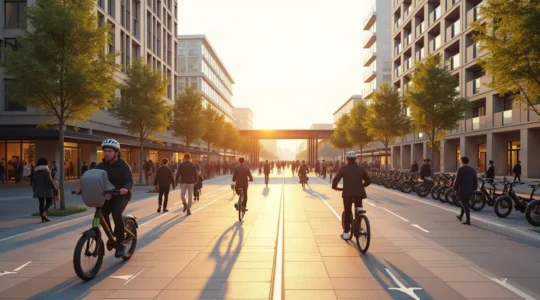
How to Navigate a City Without Owning a Car in 2024?
The key to a successful car-free life isn’t replacing your car; it’s architecting a superior, multi-layered personal mobility ecosystem. Car ownership costs are often double what you estimate, creating a significant financial drain for a depreciating asset that sits parked…
Read more
How to Cut 20 Minutes Off Your Commute by Mixing Train and Bike?
The fastest way across a city isn’t a faster vehicle; it’s a smarter logistics system you control. Treat your commute as a “mobility stack” by layering public transit with a personal last-mile vehicle like a folding bike or scooter. Focus…
Read more